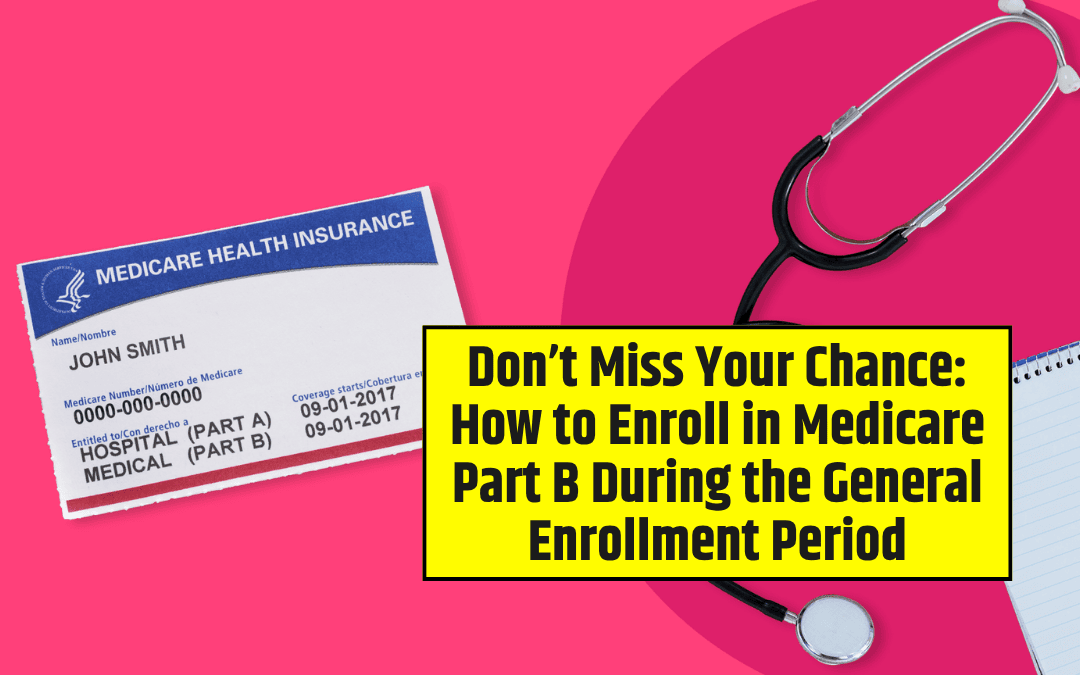
If you’re 65 or older and haven’t yet signed up for Medicare Part B, this is your opportunity to do so. The Medicare General Enrollment Period (GEP) runs from January 1 through March 31 each year, giving you a chance to enroll and start receiving important medical coverage.
Understanding Medicare Part A and Part B
Medicare is divided into parts that cover different types of healthcare needs. Part A helps pay for hospital stays and is usually free if you or your spouse paid Medicare taxes while working.
Part B, on the other hand, covers medical services like doctor visits, preventive care, and outpatient procedures, but it comes with a monthly premium.
Why Delaying Enrollment Can Be Costly
If you previously declined Part B or simply missed signing up, you may face a late enrollment penalty. This penalty increases the longer you wait to join. Signing up during the GEP can help you avoid higher costs and ensure you have the medical coverage you need when you need it most.
Enrollment Isn’t Always Automatic
Many people assume that Medicare enrollment happens automatically at age 65. However, if you’re not receiving Social Security benefits, you’ll need to take the initiative to enroll yourself. Choosing the right enrollment period ensures you won’t miss out on coverage or end up paying unnecessary penalties.
Who Qualifies for the General Enrollment Period?
You can use the GEP to enroll in Medicare if any of the following apply to you:
- You were automatically enrolled in Medicare at 65 but declined Part B.
- You missed signing up for Part B during your Initial Enrollment Period.
- You didn’t qualify for or missed a Special Enrollment Period.
- Your Part B coverage ended due to non-payment or voluntary withdrawal.
- You must pay a premium for Part A and didn’t sign up when first eligible.
Even if you don’t qualify for free Part A, you can still enroll in Part B without buying Part A coverage. This flexibility ensures that you can still access essential medical insurance.
How to Sign Up for Part B During the GEP
Although the Centers for Medicare & Medicaid Services (CMS) administers Medicare, the Social Security Administration (SSA) handles enrollment for Parts A and B. To sign up, complete Form CMS-40B (Application for Enrollment in Medicare – Part B). You can mail, fax, or drop off the form at your local Social Security office.
If you prefer, you can also schedule a video, phone, or in-person appointment by calling Social Security at 1-800-772-1213, Monday through Friday, from 8:00 a.m. to 7:00 p.m. A representative can guide you through the process and answer any questions you may have about your eligibility or coverage.
Adding Prescription Drug Coverage
Once you’ve enrolled in Part B, you can also sign up for a Medicare prescription drug plan (Part D). This coverage is offered by private insurance companies, not Social Security, and helps lower the cost of prescription medications. It’s wise to review available Part D plans to find one that fits your medical and financial needs.
When Your Coverage Begins
If you enroll during the General Enrollment Period, your Part B coverage starts the first day of the month after you sign up. For example, if you enroll in February, your coverage will begin on March 1. Once your enrollment is complete, Medicare will mail you a new Medicare card showing your updated coverage.
Understanding Your Premium and Billing
The standard Part B premium for 2025 is $185 per month, though individuals with higher incomes may pay more. If you receive Social Security benefits, the premium is automatically deducted from your monthly payments. If not, Medicare will send you a bill directly.
Keep in mind that if you delayed enrollment, you may owe a penalty, which will be added to your monthly premium.
How the Penalty Works
If you go 12 months or longer without enrolling in Part B when you were eligible, your monthly premium will increase by 10% for each full year you delayed. This penalty lasts for as long as you have Medicare. However, there are two key exceptions to this rule.
You won’t owe a penalty if:
- You qualify for a Medicare Savings Program due to limited income.
- You receive Social Security disability benefits and have turned 65.
Additionally, similar late penalties may apply to Medicare Part D if you delay enrolling in prescription drug coverage.
Stay Informed and Share the Word
Understanding your Medicare options can save you money and provide peace of mind. Visit Medicare.gov to learn more about avoiding late enrollment penalties and to compare plan options. You can also explore the Social Security Medicare webpage for detailed enrollment guidance and resources.
Finally, consider sharing this information with family members, friends, or neighbors who might need it. Spreading the word could help others avoid costly mistakes and secure the healthcare coverage they deserve.
FAQs
When can I sign up for Medicare Part B?
You can sign up for Medicare Part B during the General Enrollment Period, which runs from January 1 through March 31 each year. If you enroll during this time, your coverage begins on the first day of the month after you sign up.
What happens if I miss my Medicare enrollment period?
If you miss your Initial or Special Enrollment Period and don’t enroll during the General Enrollment Period, you may have to wait until the next GEP to sign up. You could also face a late enrollment penalty, which increases your monthly premium.
How much is the Medicare Part B premium for 2025?
The standard Medicare Part B premium for 2025 is $185 per month. However, individuals with higher incomes may pay more. If you receive Social Security benefits, the premium is deducted automatically; otherwise, you’ll receive a bill from Medicare.
Who qualifies for the General Enrollment Period?
You can use the General Enrollment Period if you didn’t sign up for Part B during your Initial or Special Enrollment Period, declined Part B when first eligible, or lost coverage due to non-payment or voluntary withdrawal.
How much is the penalty for late enrollment?
If you delay signing up for Medicare Part B, your premium increases by 10% for every 12-month period you were eligible but not enrolled. This penalty lasts as long as you have Medicare, unless you qualify for a Medicare Savings Program or receive disability benefits.