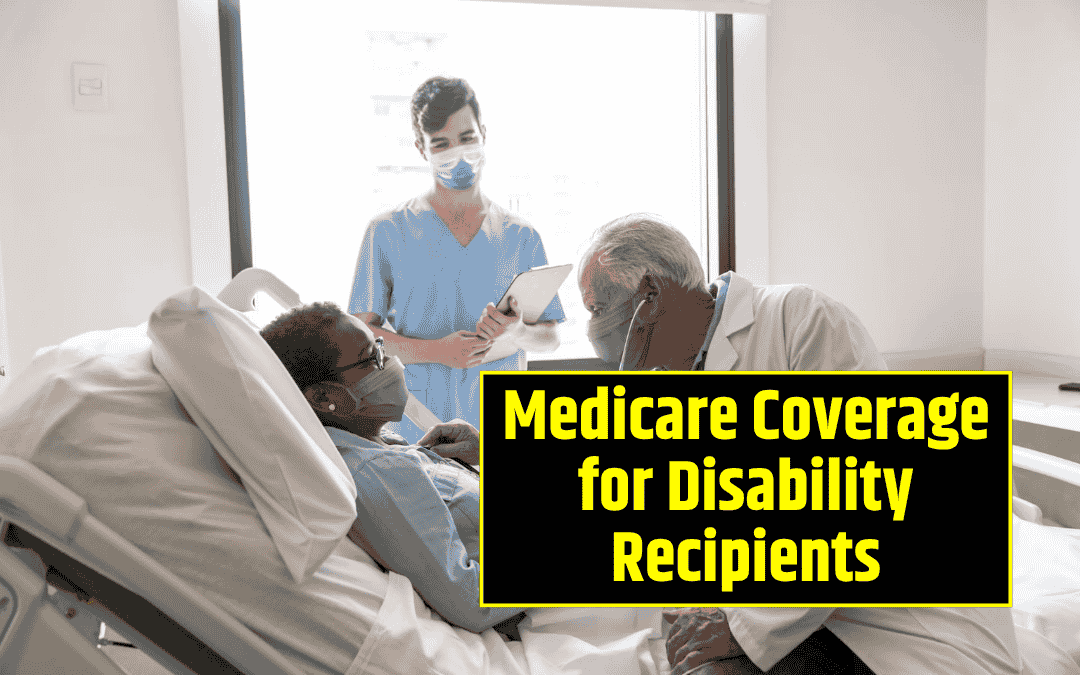
If you receive Social Security Disability benefits, you’ll automatically be enrolled in Medicare after two years from the date you became entitled to those benefits. This ensures you have access to essential health coverage without needing to reapply separately.
When You’ll Receive Your Medicare Information
About three months before your coverage begins, you’ll receive a Medicare welcome package in the mail. This packet includes your Medicare card and information about your benefits.
You’ll automatically be enrolled in Medicare Part A (hospital insurance) and Part B (medical insurance). If you already have other coverage and don’t want Part B, you can opt out by following the instructions included in your welcome materials.
To learn more about what Medicare covers and how to manage your plan, visit Medicare.gov.
Special Rules for ESRD and ALS
Certain conditions allow you to receive Medicare sooner than the standard two-year waiting period.
If you have End-Stage Renal Disease (ESRD), your Medicare coverage can begin:
- The month you start at-home dialysis treatments
- The month you receive a kidney transplant
- Or three months after you begin outpatient dialysis treatments
If you have Amyotrophic Lateral Sclerosis (ALS), also known as Lou Gehrig’s disease, Medicare coverage starts immediately once you become entitled to Disability benefits—no waiting period required.
These special rules ensure individuals with severe medical needs can access care as quickly as possible.
Increasing Your Benefits With SSI
If you’re living on limited income or resources, you may also qualify for Supplemental Security Income (SSI) in addition to your Disability benefits. SSI provides monthly payments of up to $967 to help cover basic needs like food, clothing, and housing.
Some people can receive both Disability (SSDI) and SSI benefits at the same time, depending on their financial situation. This combined assistance can make a meaningful difference in maintaining stability and independence.
If You Choose Not to Apply for SSI
When you apply for Disability, you can choose whether or not to apply for SSI at the same time. If you decide not to apply, the Social Security Administration will send you a letter stating, “You’re not eligible for SSI.”
This notice simply acknowledges your decision and does not affect your Disability application in any way. You can always apply for SSI later if your financial situation changes.
Your Next Steps
If you’re receiving or applying for Disability, it’s important to understand how Medicare and SSI can work together to support your healthcare and financial needs.
Take time to review your benefits, explore your options at Medicare.gov, and check your my Social Security account for details about your eligibility. A little preparation now can help you make informed decisions about your coverage and maximize your benefits.
FAQs
When does Medicare start for Disability recipients?
If you receive Social Security Disability benefits, you’ll automatically be enrolled in Medicare after two years from the date you became entitled to Disability. You’ll receive your Medicare welcome package and card about three months before your coverage begins.
Can I refuse Medicare Part B coverage?
Yes. When you’re automatically enrolled in Medicare, you can opt out of Part B if you already have other health coverage or prefer not to pay the monthly premium. Instructions for declining Part B are included in your Medicare welcome packet.
Do people with ESRD or ALS get Medicare faster?
Yes. People with End-Stage Renal Disease (ESRD) or Amyotrophic Lateral Sclerosis (ALS) qualify for Medicare sooner. ESRD patients may receive coverage the month dialysis begins or after a kidney transplant, while those with ALS get Medicare immediately upon becoming entitled to Disability benefits.
Can I receive both Disability and SSI payments?
Yes. If you have limited income and resources, you may qualify for both Social Security Disability Insurance (SSDI) and Supplemental Security Income (SSI). Receiving both can increase your monthly payment amount and help cover basic living expenses.
What happens if I don’t apply for SSI when I apply for Disability?
If you choose not to apply for SSI when you apply for Disability, you’ll receive a letter stating that you’re not eligible for SSI. This does not affect your Disability application, and you can apply for SSI later if your financial situation changes.