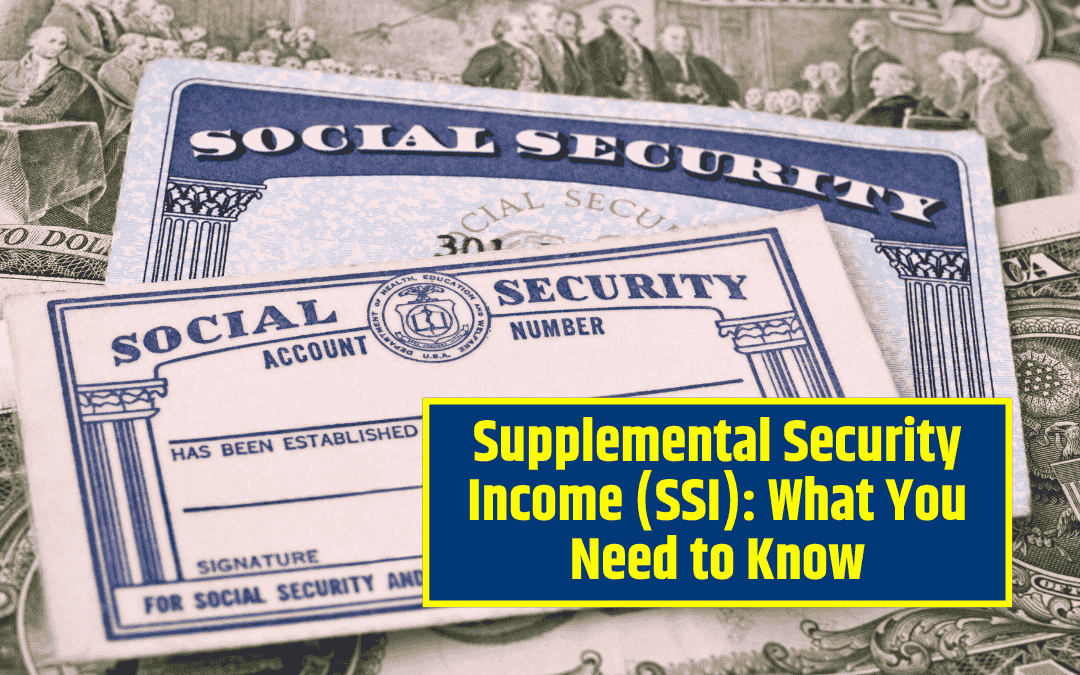
Supplemental Security Income (SSI) provides monthly payments to people with limited income and resources who are blind, disabled, or age 65 and older. This federal program helps ensure that individuals and families can meet their basic living needs, such as food, clothing, and shelter.
Who Can Get SSI
Adults and children may qualify for SSI if they have little or no income, limited resources, and meet one of the following conditions:
- Have a disability that prevents them from working,
- Have blindness, or
- Are age 65 or older.
SSI is different from Social Security Disability Insurance (SSDI), which is based on your work history. SSI eligibility is based solely on financial need and medical criteria.
How Much You Could Receive
The amount you receive each month depends on your income, living situation, and resources—which include money in the bank, property, or other valuable assets.
Some states add extra money to the federal SSI payment, so the total amount can vary depending on where you live. To get an accurate estimate, you can check your eligibility and potential payment using the SSI Benefit Calculator on SSA.gov.
Reporting Changes to Your Income, Resources, or Living Situation
If you receive SSI, you must report changes every month that could affect your payment. These include:
- Earnings or wages from work,
- Other income (like pensions or support payments),
- Changes in where you live, or
- Increases or decreases in your resources (such as money in savings or property ownership).
Keeping your information up to date helps you avoid overpayments and ensures your monthly amount remains correct.
Programs That Can Help While on SSI
People who receive SSI often qualify for other assistance programs that can help lower living costs and provide additional support. These may include:
- Medicaid – Free or low-cost healthcare coverage in most states.
- Supplemental Nutrition Assistance Program (SNAP) – Helps you pay for food.
- Housing Assistance Programs – Reduce rental costs or provide safe housing.
Together, these programs can make it easier to manage daily expenses and maintain stability while you receive SSI.
How to Learn More
You can find out whether you qualify for SSI or other benefits by visiting SSA.gov/SSI. The site provides an easy-to-use eligibility screening tool and helpful guidance for applying online or through your local Social Security office.
FAQs
Who qualifies for Supplemental Security Income (SSI)?
Adults and children may qualify for SSI if they have little or no income, limited resources, and meet one of the following conditions: they have a disability, are blind, or are age 65 or older. SSI is based on financial need rather than work history.
How much can you receive from SSI each month?
Your monthly SSI payment depends on your income, living situation, and resources. Some states add extra money to the federal payment. To estimate your benefit amount, you can use the SSI Benefit Calculator at SSA.gov.
What changes must be reported while receiving SSI?
If you receive SSI, you must report any changes in your wages, income, living situation, or resources each month. Reporting changes promptly helps avoid overpayments and ensures you continue to receive the correct benefit amount.
Can you get other benefits while on SSI?
Yes. People receiving SSI often qualify for additional programs such as Medicaid, the Supplemental Nutrition Assistance Program (SNAP), and housing assistance. These programs help cover healthcare, food, and housing expenses while you receive SSI.
How can I find out if I’m eligible for SSI?
You can check your eligibility for SSI and estimate your potential payments by visiting SSA.gov/SSI. The website provides an online screening tool and instructions for applying online or through your local Social Security office.